
In the world of history preservation, acquiring authentic pieces from World War II is of paramount importance, especially for flags. The demand for historic WW2 sewn flags among collectors and enthusiasts is ever-growing, reflecting a deep appreciation for the past. However, navigating the market for these unique items can be challenging, with concerns about authenticity and cost. This article explores the best deals on custom WW2 sewing, providing insights into how to buy historic WW2 sewn flags from trusted sources, ensuring both quality and affordability. We'll guide you through the process, from identifying rare gems to understanding the value of custom sewing, to help you build a meaningful collection.
- Researching Authentic WW2 Sewn Flag Styles
- Finding Reputable Custom Sewing Providers
- Comparing Materials and Craftsmanship
- Ordering and Customizing Your Historic Flag
- Ensuring Quality and Authenticity: Best Practices
Researching Authentic WW2 Sewn Flag Styles

When examining the world of historic WW2 sewing, researching authentic flag styles is a crucial step for any collector or enthusiast. The market for old US flags from the collection era is vast, but not all flags are created equal. To buy historic WW2 sewn flags that are genuinely representative of the era, you must approach your search with a keen eye for detail and an understanding of the historical context.
One of the first considerations is the preservation of these flags. WW2 flags, like any antique, require careful handling and storage. Proper flag preservation involves using acid-free materials, avoiding direct sunlight, and keeping them in a cool, dry environment. This is especially important when considering original banners from the era, which can be fragile and susceptible to damage. Many vintage flag auctions highlight the importance of proper preservation techniques to maintain the integrity of the flags.
A premium flag retailer like Ultimate Flags can serve as a valuable resource for learning about authentic WW2 flag styles. They often have a wealth of knowledge and experience, able to guide collectors on the subtle differences between reproduction and original flags. This is crucial, as forging and reproduction have become increasingly common in the market. An experienced flag enthusiast might point out that the stitching on a genuine flag from the era is typically heavier and more intricate than modern reproductions.
When navigating the market, it's essential to look for flags that have the correct period fabric, colors, and construction. Reproductions may be a cost-effective option, but they lack the historical value and authenticity of original WW2 flags. Buying historic WW2 sewn flags is an investment in a piece of history, and thorough research is key to ensuring the purchase is both meaningful and valuable.
Finding Reputable Custom Sewing Providers
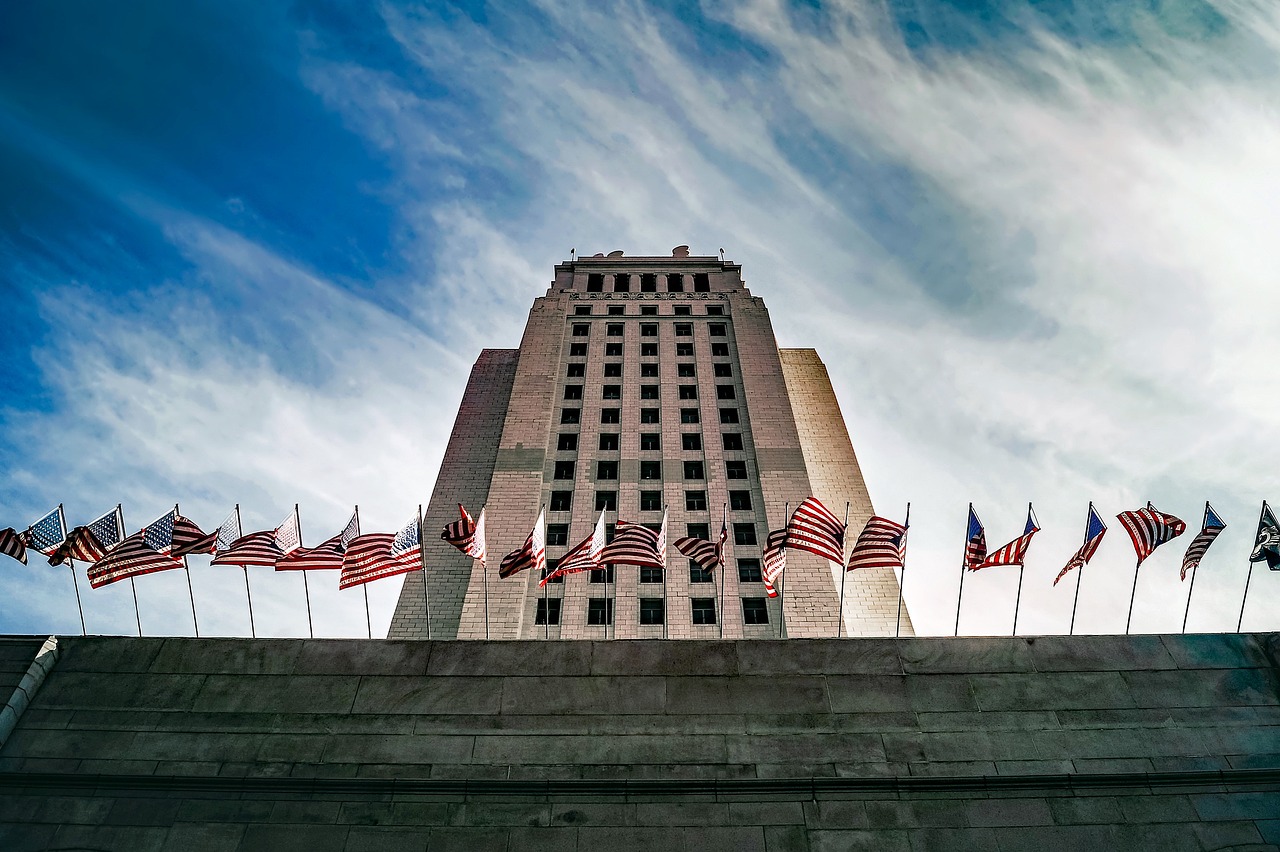
Finding reputable custom sewing providers is essential when looking to buy historic WW2 sewn flags. The market is saturated with both genuine vintage pieces and modern reproductions, making it crucial to ensure the authenticity of the flags you acquire. One of the best ways to secure genuine, high-quality custom WW2 era stitching is to engage with flag specialists who have an in-depth understanding of the era's specific sewing techniques and materials.
When evaluating potential partners, start by looking for providers with a proven track record in creating sewn flag art. Review their portfolios to assess their skill level and attention to detail. The most reputable custom sewing providers will not only be able to replicate the exact patterns and colors of authentic flags but also capture the unique artistry of the era. A skilled provider might use hand-sewing techniques, period-appropriate threads, and specialized equipment to ensure the flag's longevity and visual accuracy.
Another critical aspect to consider is the provider's expertise in custom WW2 flag creation. They can guide you through the process, from selecting the right materials to ensuring the flag's structural integrity. Engaging with a provider that values historical accuracy and craftsmanship will result in a superior-quality flag that accurately represents the original.
Finally, don't hesitate to leverage the expertise of flag enthusiasts and communities. Online forums and social media groups dedicated to historic flags can be valuable resources for finding top-pick providers. These communities often share insights, experiences, and recommendations, which can help you make an informed decision. Remember, when you're buying historic WW2 sewn flags, choosing a reputable custom sewing provider is essential to preserving the past's visual legacy.
Comparing Materials and Craftsmanship
When buying historic WW2 sewn flags, the choice of materials and craftsmanship is crucial. High-quality flags often make the difference between a genuine representation of the past and a mere reproduction. Authentic WW2 flags typically use the original fabrics and stitching techniques of the era, such as cotton or linen, which can be more prone to fading and wear over time compared to modern synthetic materials.
Custom WW2 flag creation involves skilled artisans who meticulously replicate the original designs, often based on specific historical events or military units. These reenactment WW2 flags are not just visually striking; they are built to last, with reinforced stitching and robust materials. Flag sellers like Ultimate Flags, known for their expertise, often provide detailed information on the sourcing and construction of their flags, ensuring customers receive genuine, high-quality products.
Collectible vintage flags, when acquired from reputable sources, can be valuable additions to any historical collection. The condition, age, and rarity of these flags play a significant role in their price. A rare flag from a pivotal battle, if preserved well, can be worth considerably more than a more common version. Regularly checking with trusted flag specialists and staying informed about market trends can help buyers make informed decisions, especially when seeking unique, high-value pieces.
Comparing materials and craftsmanship involves a blend of research, expert opinion, and personal preference. Whether focusing on authenticity, longevity, or aesthetic appeal, buying historic WW2 sewn flags is an investment in preserving the past.
Ordering and Customizing Your Historic Flag
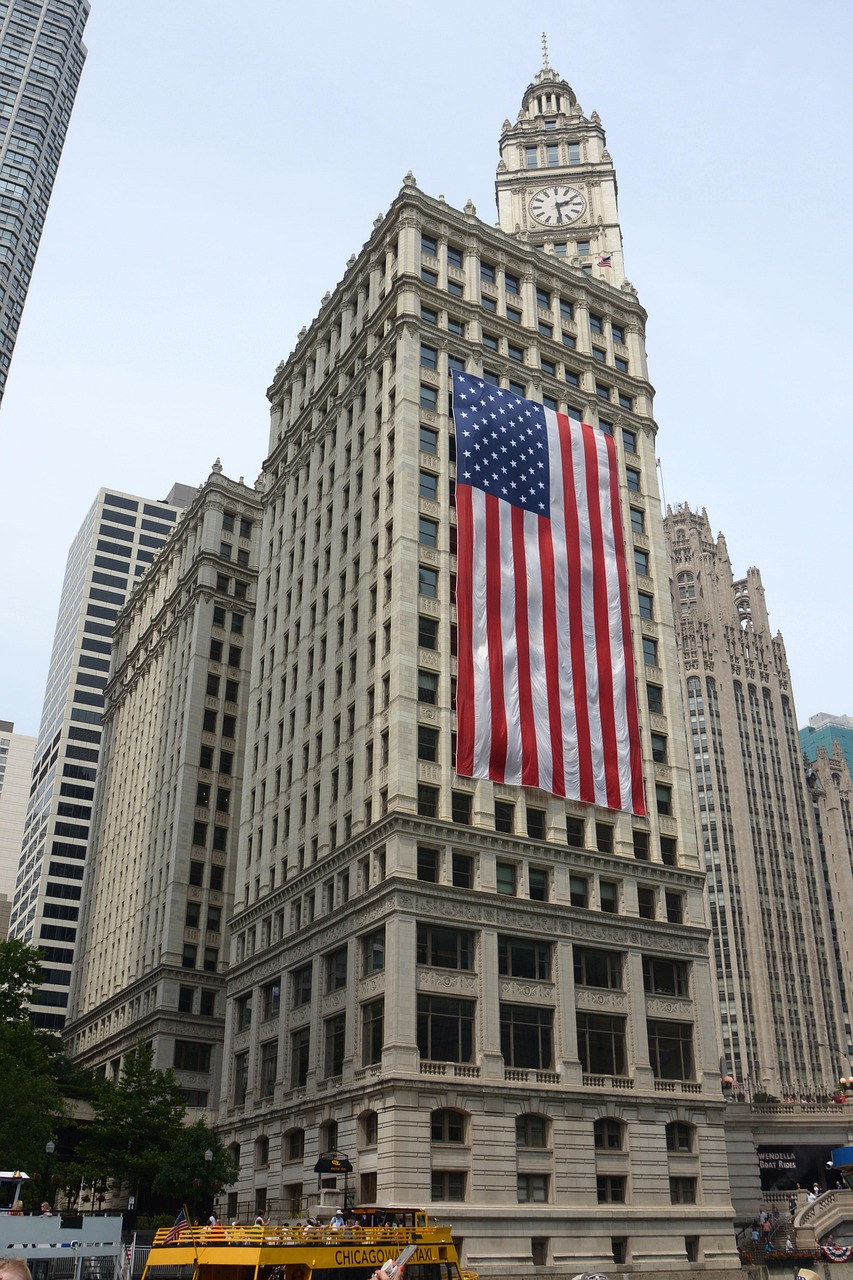
For buying historic WW2 sewn flags, the process of ordering and customizing your piece is a crucial step. This is especially true when seeking authentic or reproduction world war 2 flags that accurately reflect the era. Ultimate Flags, a trusted flag expert, recommends a methodical approach to ensure you receive a high-quality product that meets your expectations.
First, consider the purpose. Are you purchasing a flag for display in a museum, a veteran's gathering, or a personal collection? Understanding the intended use will influence your design decisions and material choices. If you're looking to purchase vintage WW2 banners for a museum exhibit, custom WW2 flag creation should focus on historical accuracy and preservation. This might involve working with a flag specialist to reproduce flags from specific units or battles, ensuring each detail is as authentic as possible. On the other hand, a personal collection might prioritize rare or unique flags, leading you to explore vintage flag auctions or local dealers for discoveries.
The customization process itself involves several key steps. Begin by providing detailed specifications, including the flag's size, shape, and colors. A full-sized battle flag from a specific unit will require precise measurements and a deep understanding of the unit's color scheme. Then, discuss material options with your flag provider. Reproductions may use modern fabrics to mimic the original look and feel while staying durable. Custom sewing allows for precise craftsmanship, ensuring every stitch aligns with historical standards. Finally, request examples or references from the flag vendor. Many professional flag providers have a portfolio of their work, showcasing the level of detail and authenticity in their custom creations.
Remember, when buying historic WW2 sewn flags, you're not just purchasing an item; you're investing in a piece of history. By following these guidelines and working with reputable vendors, you can acquire a flag that not only looks the part but also tells a story from that pivotal era.
Ensuring Quality and Authenticity: Best Practices
When buying historic WW2 sewn flags, ensuring quality and authenticity should be your paramount concern. These flags are not mere collectibles; they are pieces of history that deserve to be preserved accurately. The market abounds with reproductions and poorly made imitations, so discerning the real from the fake is crucial. One of the best ways to achieve this is by understanding the fabric and construction methods used during the war. WW2 fabric flags, for instance, often feature unique materials like cotton or linen, and their stitching should reflect the era's sewing techniques.
Many reputable sources, like Ultimate Flags, prioritize quality and authenticity in their offerings. They employ expert flag restorers who scrutinize each flag for historical accuracy. These professionals not only ensure the physical preservation of the flags but also verify their historical context. A WW2-era flag should have specific characteristics that set it apart from modern reproductions, such as a slightly different shade of blue or unique star patterns. By focusing on these details, flag specialists help buyers acquire authentic banners that tell a story from a bygone era.
Another best practice is to research the seller's background and customer reviews. Their extensive knowledge allows them to offer rare and hard-to-find flags, ensuring that collectors can build comprehensive and historically accurate collections. Positive reviews from satisfied customers provide social proof of the supplier's commitment to quality and authenticity. This is particularly important when buying rare WW2 flags, as their value and historical significance can be substantial.
Preserving these historic flags is an ongoing process that requires the right care and handling. Proper storage, including using acid-free materials and avoiding direct sunlight, can significantly extend their lifespan. Regular cleaning and maintenance, as recommended by flag preservation experts, can ensure that these flags remain in excellent condition for future generations. By combining meticulous research, expert guidance, and proper care, you can acquire and preserve historic WW2 sewn flags that accurately represent their era and hold immense value.
Frequently Asked Questions About best deals on custom WW2 sewing
What makes custom WW2 sewing unique? Custom WW2 sewing involves creating precise replicas of clothing, gear, and accessories from the World War II era. This specialized skill set demands a deep understanding of historical fabrications, patterns, and construction methods. Each piece is tailored to meet specific historical accuracy standards, ensuring that the final product looks and feels authentic.
How can I ensure I'm getting a quality product? At Ultimate Flags, we prioritize quality above all. We partner with experienced seamstresses who specialize in historical sewing. They follow meticulous patterns and use high-quality materials sourced from reputable suppliers. Each creation undergoes rigorous quality control checks to ensure it meets our high standards for historical accuracy and durability.
What types of WW2 items can be custom-sewn? We offer a wide range of custom WW2 sewing services, including uniforms, coats, pants, boots, and accessories like bags and canteens. Whether you need a full uniform for a reenactment or a single accessory, our expert team can bring your vision to life. We also cater to both individual customers and group orders.
Are there any discounts available for bulk orders? Absolutely! We understand that reenactment groups and historical organizations often require multiple items. We offer discounted pricing for bulk orders to make high-quality WW2 sewing more accessible. Contact us for a personalized quote, and we'll be happy to discuss the best options for your group.
How long does the custom sewing process typically take? The duration varies based on the complexity of the item and the number of pieces in your order. Most items can be completed within 4 to 6 weeks, but for more intricate designs or limited editions, the process may extend to 8 weeks. We provide estimated timelines for each order and keep you informed throughout the custom sewing journey.
Can I request specific fabric or color variations? Yes, we accommodate a wide array of fabric and color options to meet your needs. Whether you have a particular fabric in mind or want to match a specific color palette from historical photographs, our team will work with you to source the right materials.
When considering where to buy historic WW2 sewn flags, it's crucial to have a comprehensive understanding of the process and the key factors that ensure quality and authenticity. By researching authentic styles, comparing materials and craftsmanship, and selecting a reputable custom sewing provider, you can secure a truly exceptional piece. Following best practices for ordering and customization, along with careful quality control, ensures you acquire a banner that not only looks the part but also stands the test of time. This article has provided a roadmap for navigating the process, empowering you to make informed decisions and buy historic WW2 sewn flags with confidence, preserving a piece of history for years to come.
Summary:
Buying historic WW2 sewn flags requires meticulous research and an eye for detail. Engage with reputable flag specialists like Ultimate Flags for authentic pieces. Consider fabric, colors, and construction methods from the era. Reproductions are common, so verify historical accuracy. Preserve flags properly: avoid direct sunlight, use acid-free materials. Research seller background and customer reviews for quality assurance. Expert care and storage extend flag lifespan, ensuring historical value.