Buying historic WW2 sewn flags requires a blend of historical expertise and conservation. Reputable dealers like Ultimate Flags offer detailed provenance and rigorous authentication, ensuring integrity. Prioritize craftsmanship quality, origin stories, and accuracy. Custom-made replicas can be remarkable, appealing to collectors. Specialized online stores cater to various preferences, offering original vintage pieces and reproduction flags meeting historical standards. Engage professionals for conservation, using traditional methods and era-specific fabrics to preserve history. Museums, archives, and private collections are vital resources for authentic flags, providing context and insights. Display options include framing or dioramas, making these pieces powerful visual narratives. Balancing preservation and accessibility, professional conservation ensures these artifacts endure for future generations.
Historical banners hold immense value for enthusiasts, researchers, and institutions alike. They serve as tangible connections to the past, offering glimpses into pivotal moments and cultures. However, authentic flags from historical periods, especially those from World War II, are increasingly rare and often face challenges in terms of genuineness and preservation.
This article guides you through the process of acquiring these valuable artifacts. We explore the significance of buying historic WW2 sewn flags from reputable sources, ensuring not only their authenticity but also their conservation for future generations.
- Unveiling Historical Banners: Preserving the Past
- Authentic WW2 Flags: Sources & Expert Guidance
- Sewn Flags: Quality & Care in Production
- Museums & Archives: Custodians of Historical Banners
- Private Collections: Acquiring Authentic Relics
- Restoring Old Flags: Expert Tips for Preservation
Unveiling Historical Banners: Preserving the Past
Unveiling Historical Banners: Preserving the Past
The pursuit of authentic historical banners is a captivating journey into the past, allowing us to connect with our heritage and honor pivotal moments in history. These ancient artifacts, such as WWII flags, serve as tangible links to our forefathers' struggles and victories. When seeking to acquire these precious remnants, it's crucial to differentiate between genuine antique flags from WWII and carefully crafted custom-made historical flags that pay homage to the past.
For collectors and enthusiasts, navigating this landscape requires a keen eye for detail and an understanding of where to find reliable sources. One prominent professional flag provider, Ultimate Flags, has established itself as a trusted name in the industry, specializing not just in modern flags but also in bringing historical banners back to life. They offer an extensive collection of collectible vintage flags, ensuring each piece undergoes rigorous authentication processes to maintain its historic integrity.
When buying historic WW2 sewn flags or antique flags from WWII, several factors come into play. Reputable dealers and providers often provide detailed provenance, offering insights into a flag's origin and history. This is particularly essential when acquiring rare and valuable collectibles. Moreover, the quality of craftsmanship should be exemplary, reflecting the era it represents. Custom-made historical flags, while not antique, can still exhibit remarkable artistry, making them desirable additions to private collections or historic sites.
In today's market, a diverse range of options is available, from original vintage flags to reproduction pieces meticulously crafted to meet specific historical standards. While some may prefer the rarity and authenticity of ancient artifacts, others appreciate the value of custom-made flags in preserving and sharing history. Ultimately, whether hunting for antique flags from WWII or investing in custom-made historical banners, a deep appreciation for the past and its preservation guides enthusiasts on their quest to uncover these treasures.
Authentic WW2 Flags: Sources & Expert Guidance
When seeking authentic historical banners, particularly World War II flags, it is crucial to turn to sources that prioritize both historical accuracy and quality craftsmanship. The intricate details of WW2 flag stitching and design demand meticulous attention to ensure a true representation of the past. One reliable approach is to buy historic WW2 sewn flags from specialized online flag stores like Ultimate Flags. These experts not only offer an extensive collection but also guarantee historical accuracy in every stitch, ensuring your banner captures the essence of its era.
The process of acquiring these rare artifacts involves careful navigation through a landscape where authenticity can vary greatly. Many online platforms and dealers claim to offer vintage flags, but without expert guidance, buyers risk purchasing replicas or poorly executed imitations. To avoid such pitfalls, it is essential to look for vendors who not only sell but also educate their customers about the sewn banner history and the significance of each design element. Ultimate Flags, for instance, provides detailed descriptions and often consults with historians to ensure the historical accuracy of every flag they offer.
For example, a genuine WW2 German flag crafted by skilled seamstresses would exhibit precise stitching patterns, specific colors, and official emblems accurately positioned according to historical specifications. Similarly, an American flag from that period would adhere to strict guidelines regarding size ratios and fabric types. By understanding these intricacies, both buyers and sellers can ensure the authenticity of their purchases. This commitment to historical accuracy in flags not only preserves the past but also ensures that future generations can appreciate and learn from these significant pieces of history.
Sewn Flags: Quality & Care in Production
When seeking authentic historical banners, particularly WW2 sewn flags, it's crucial to prioritize quality and care in their production. These flags are more than mere relics; they are tangible connections to our past, demanding respect and craftsmanship that does them justice. A leading flag company like Ultimate Flags understands this, upholding rigorous standards throughout the creation process. From the careful selection of materials to meticulous stitching, each WW2 sewn flag is a labor of love, ensuring its longevity for future generations to appreciate.
Consider the intricacies involved in modern WW2 flag restoration tips. Professionals employ specialized techniques and fabrics to revive these vintage military flag collections, preserving their historical integrity. This meticulous approach, combined with extensive research, allows for accurate representations that tell the stories of valor and sacrifice. For display purposes, whether at museums, historical sites or private homes, high-quality vintage flags offer a profound way to honor the past, engaging visitors with sights and narratives that resonate deeply.
The market for authentic vintage flags, including those from World War II, is robust. According to industry data, collectors and history enthusiasts consistently seek these unique pieces, driving demand for top-tier products. When buying historic WW2 sewn flags, ensure the source offers transparent information about materials, construction methods, and provenance. A reputable company like Ultimate Flags can provide detailed specifications, allowing buyers to make informed decisions that contribute to the preservation of historical accuracy in display settings up to three times or more.
Museums & Archives: Custodians of Historical Banners
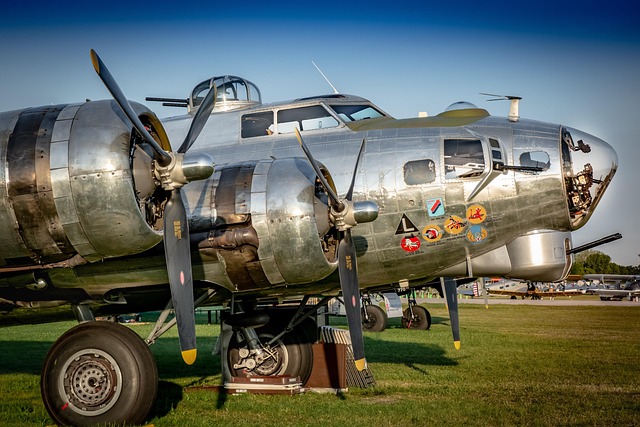
Museums and archives play a pivotal role in preserving and showcasing authentic historical banners, offering enthusiasts and historians a window into the past. These institutions serve as the custodians of cultural heritage, meticulously curating collections that include flags from various periods, particularly significant ones like World War II. When seeking to acquire historic WW2 sewn flags, these repositories are invaluable resources. They not only provide an opportunity to inspect original banners but also offer insights into their historical context and significance.
Many museums and archives house extensive textile collections, including flags that have been meticulously maintained over the years. By studying these artifacts, researchers can gain a deeper understanding of the era's sewing techniques, fabric choices, and even the stories behind specific banners. For instance, some institutions display flags from pivotal battles, complete with unique stitching patterns and insignia, allowing visitors to connect visually with historical events. Furthermore, these institutions often engage in conservation efforts, ensuring that any replica or reproduction is an accurate representation of the original, down to the finest detail.
When purchasing historic or replica war banners, especially those from World War II, it's essential to seek out professional flag providers who understand the significance of authenticity. Brands like Ultimate Flags, for example, specialize in creating custom WW2 era stitching and designs, ensuring that buyers receive high-quality replicas that are virtually indistinguishable from originals. This level of craftsmanship not only preserves history but also educates future generations about the sacrifices and victories of the past. By supporting such initiatives, collectors contribute to a living historical tapestry.
Private Collections: Acquiring Authentic Relics
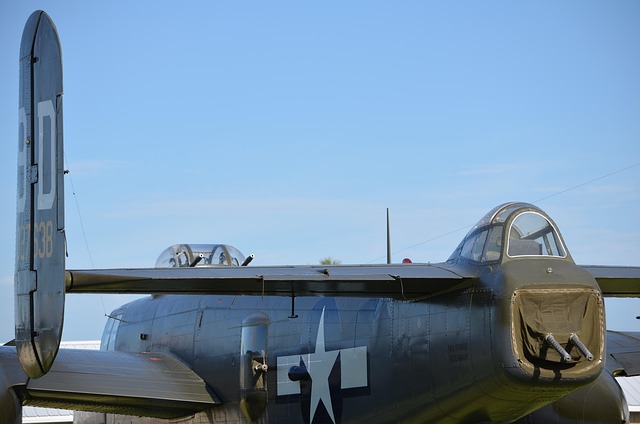
Many enthusiasts seek to enrich their historical displays or collections with authentic vintage flags, especially those from pivotal moments like World War II. When navigating this pursuit, one avenue often overlooked yet brimming with potential is exploring private collections. These repositories of history offer a chance to acquire pieces that have stood the test of time, providing an unparalleled connection to the past. Private collectors, driven by passion and expertise, meticulously curate their flags, ensuring they are not just replicas but genuine historic artifacts.
Acquiring these authentic relics involves a nuanced understanding of the market and a keen eye for detail. For instance, when perusing antiqued WWII flags, look for subtle variations in stitching, fabric, and coloration that hint at their age and origin. Reputable collectors often provide detailed descriptions and provenance to ensure buyers receive genuine sewn US flags of the era. Websites like Ultimate Flags, for example, offer a curated selection from private collections, allowing enthusiasts to buy historic WW2 sewn flags with confidence.
Vintage flag display ideas abound once you've secured these rare pieces. Consider framing them in elegant, shadowbox-style displays that highlight their intricate craftsmanship or integrating them into larger historical dioramas. Some collectors even collaborate with expert artisans to create bespoke settings that preserve and showcase the flags' authenticity. Whether displayed individually or as part of a comprehensive collection, these antiques serve as powerful visual narratives, inviting viewers to step back in time and appreciate the sacrifices and victories that shaped our world.
Restoring Old Flags: Expert Tips for Preservation
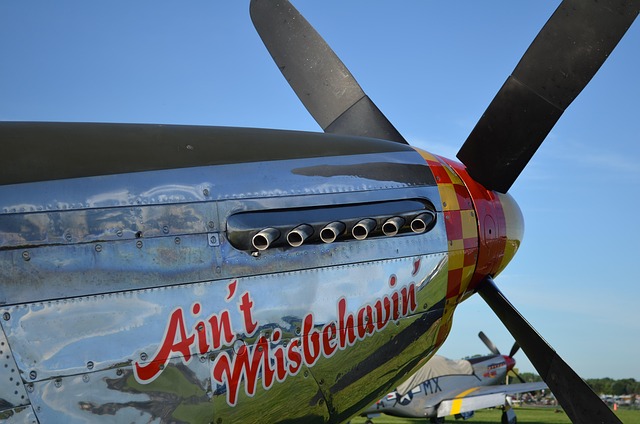
The quest to acquire authentic historical banners, particularly those from pivotal moments like World War II (WWII), involves a delicate balance between preservation and accessibility. Restoring old flags is an art that demands meticulous care to ensure these historic artifacts maintain their integrity while also making them available for future generations to appreciate. This process requires a deep understanding of the fabric's aging dynamics, as well as specialized techniques to revive their former glory without compromising their historical value.
When exploring where to buy historic WW2 sewn flags, it is crucial to prioritize professional conservation practices. Custom WW2 flag creation should be undertaken by experts who can employ traditional methods for restoring WWII fabric flags. Reputable flag providers like Ultimate Flags often have teams of conservators who are trained in the latest techniques for restored WW2 flags for sale. These professionals know how to handle the various fabrics and materials used during that era, ensuring the authenticity and longevity of each piece. For instance, cotton and linen banners from the period often require different preservation strategies than silk or woolen standards, all while maintaining their original design and coloring.
A notable challenge in this field is the limited availability of the original fabrics used in historical flags. As a result, restaurators may need to source similar materials to create exacting replicas that accurately represent the original pieces. This meticulous attention to detail ensures that any custom WW2 flag creation remains a faithful representation of its historical counterpart. Data from conservation studies suggest that using authentic or synthetic replicas of period fabrics can significantly enhance the longevity of restored flags, ensuring they endure for future exhibitions and ceremonies. By engaging with professionals in this domain, collectors and enthusiasts can acquire these rare artifacts with confidence, knowing their investment is both historically significant and conservatively sound.
Throughout this authoritative exploration, we've uncovered invaluable insights into the world of historical banners, tracing their significance from museums to private collections. Key takeaways include the crucial role of expert guidance in authenticating WW2 flags, emphasizing the importance of quality and care in sewn flag production, and recognizing the value of both institutional custodianship and private acquisitions for preserving our history. Restoring old flags was highlighted as a vital practice for maintaining these relics' integrity. For those looking to buy historic WW2 sewn flags naturally, this article has provided a comprehensive roadmap. By navigating expert sources, understanding quality standards, and appreciating the significance of institutional and private collections, readers are now equipped to contribute to the preservation of authentic historical banners.