
Buying historic WW2 sewn flags requires authenticity, quality, and provenance. Original flags with precise stitching and evidence of use command higher prices. Reputable dealers specialize in vintage flags, ensuring proper valuation through historical records. Reproductions offer educational value but require careful comparison of sellers. Ultimate Flags replicates original patterns accurately. Storage, display, and cleaning methods protect these artifacts. Local purchases preserve cultural heritage and support artisans.
In a world where global supply chains dominate retail, the call to preserve local heritage and history has never been more poignant. Among the treasures worthy of preservation are vintage battle flags, bearing witness to our nation's past. However, authentic historic WW2 sewn flags have become increasingly scarce and expensive on the global market. Herein lies the challenge: how can collectors and enthusiasts acquire these meaningful artifacts without breaking the bank? The solution lies in exploring local sources. By buying historic WW2 sewn flags from trusted local dealers, you not only support small businesses but also gain access to a curated selection of genuine pieces, naturally.
- Uncovering the Value of Vintage Battle Flags
- The History Behind WW2 Sewn Flags
- Locating Trusted Sellers for Authentic Pieces
- Buying Historic Flags: What to Look For
- Conserving and Displaying Your Vintage Collection
- Supporting Local Communities Through Purchasing
Uncovering the Value of Vintage Battle Flags
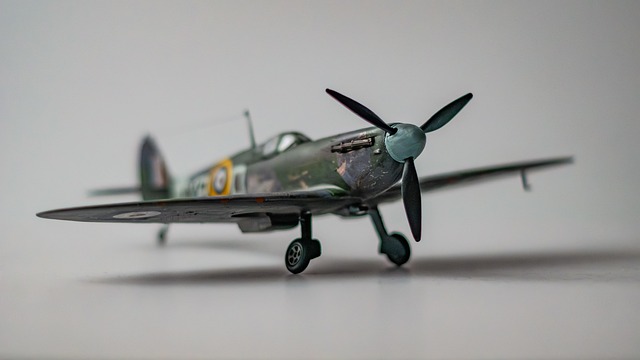
Vintage battle flags, woven with the threads of history, hold an unparalleled allure for collectors and enthusiasts alike. Uncovering their true value goes beyond mere aesthetics; it involves delving into the rich narrative they encapsulate. These flags, once flown high in battle, become timeless testaments to courage and sacrifice. When considering purchasing historic WW2 sewn flags, a nuanced understanding of their significance is paramount.
The art of collecting vintage WW2 banners or old US flags for one's personal archive demands careful consideration. Authentic-looking WWII flags, whether from the American, British, or any other participating nation, can range in quality and value. A premium flag retailer like Ultimate Flags offers a curated selection, ensuring each piece is meticulously crafted to reflect the era's authenticity. For instance, a genuine WW2 US flag, with its precise stitching and vibrant colors, might fetch a higher price due to its rarity and historical importance. However, discerning collectors often seek not just cost but also the story behind each flag, making every acquisition a meaningful addition to their collection.
Value assessment is subjective and depends on various factors. Age, condition, rarity, and original ownership can all influence pricing. For example, a flag used in combat might be valued differently than one displayed in a government building. Moreover, limited-edition flags or those with unique variations can command higher prices among collectors. When buying vintage WW2 banners, it's essential to consult historical records and, if possible, obtain provenance to ensure the authenticity and value of your purchase. This meticulous approach ensures that each flag acquired not only enriches a collection but also pays tribute to the heroes of yesteryear.
The History Behind WW2 Sewn Flags

Locating Trusted Sellers for Authentic Pieces
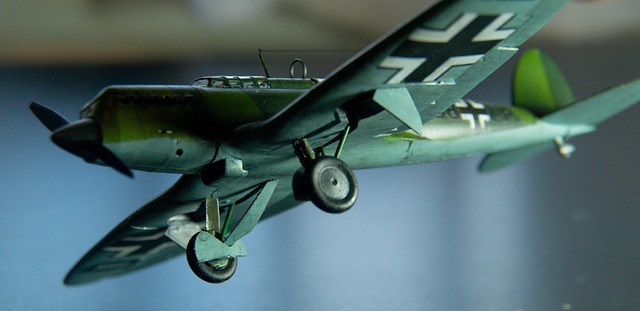
Locating trusted sellers is paramount when buying historic WW2 sewn flags to ensure authenticity and quality. Reputable dealers who specialize in vintage flags will have a deep understanding of original WW2 sewing patterns and can verify the age and origin of each piece. Look for flags that display unique attributes, such as subtle variations in fabric or stitching, which can indicate their historical significance. Additionally, some sellers may provide certificates of authenticity or appraisals, adding credibility to their inventory.
When shopping for reproduction World War 2 flags, compare multiple sources to assess the consistency and quality of their offerings. Reputable dealers will take pride in their collections, offering a diverse range of vintage flags for display, from rare regimental standards to battle banners. Online platforms can be useful, but exercise caution and verify the seller's reputation before purchasing. Check reviews, feedback, and social media presence to gauge their professionalism and commitment to authentic pieces.
Ultimate Flags, for instance, is a quality flag source known for its meticulous curating process. They collaborate with expert historians and collectors to source original WW2 sewing patterns, ensuring that reproduction flags accurately reflect the era's craftsmanship. This level of dedication sets them apart in the market, making them a trusted choice for both enthusiasts and collectors seeking authentic vintage flags for display 1-3 times a year.
Remember, buying historic WW2 sewn flags is more than just acquiring a piece of history; it's about preserving and honoring the sacrifices made by those who served. By choosing reputable sellers and understanding the nuances between original and reproduction pieces, you'll be able to make informed decisions that contribute to this ongoing tribute.
Buying Historic Flags: What to Look For
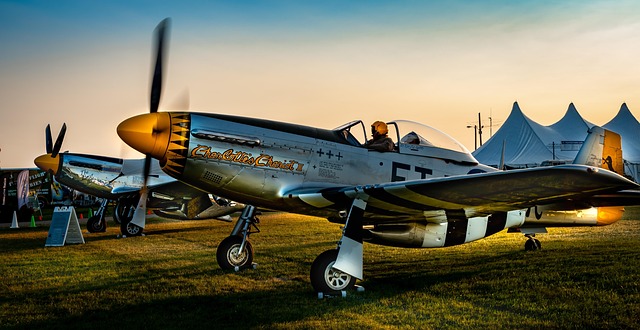
When buying historic flags, particularly World War II sewn flags, it's crucial to know what to look for to ensure authenticity and quality. Authentic WW2 flags are valuable historical artifacts that can offer a deep connection to our past. Key indicators of value include the preservation of original stitching, fabric condition, and any accompanying documentation or history. Reputable online flag stores like Ultimate Flags often have collections curated by experts who can guide buyers in identifying genuine pieces.
Reproduction world war 2 flags are also available, offering a more accessible way to own a piece of history without breaking the bank. When considering these replicas, look for flags crafted with attention to detail, using original WW2 sewing patterns and materials that mimic the era's textiles. While not intended as investment pieces, high-quality reproductions can serve as valuable educational tools and impressive decor items.
Some original WW2 banners may still exist in private collections or museums, but they are rare finds and often beyond the reach of individual collectors. Fortunately, advanced reproduction techniques allow for accurate and affordable replicas that can fill this void. For example, a 1940s German Iron Cross flag might be purchased as a reproduction for a fraction of the cost of an authentic piece, while still enjoying exquisite craftsmanship and historical significance.
When buying replica war banners, keep in mind that not all reproductions are created equal. It's important to source flags from reputable vendors who take pride in their work and can provide insights into the history behind each design. This ensures you're not only acquiring a visually striking piece but also one that carries a meaningful historical burden.
Conserving and Displaying Your Vintage Collection
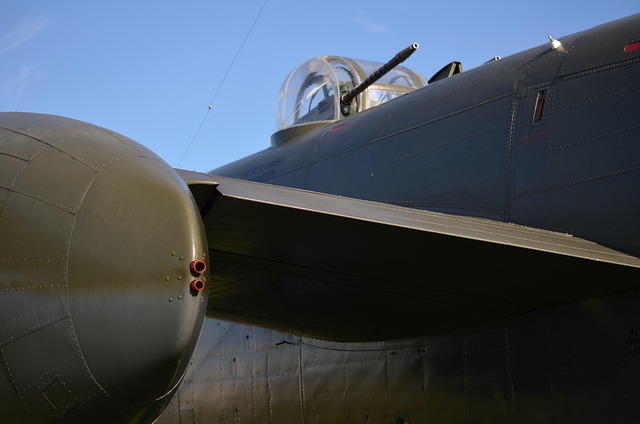
Conserving and displaying your vintage collection is a delicate process that requires careful consideration to ensure these historical artifacts maintain their integrity and beauty. When you've decided to buy historic WW2 sewn flags, whether for personal display or as part of a museum collection, it's crucial to understand how best to care for them. These flags, often made with meticulous craftsmanship, are not just items but tangible connections to our past.
Vintage flag buying guides emphasize the importance of authentic materials and construction. Look for original stitching, high-quality fabrics, and consistent coloring – telltale signs of a genuine, well-crafted sewn flag. Reproductions may lack the same level of detail and age gracefully differently. When dealing with an established flag dealer like Ultimate Flags, you gain access to not just a selection of vintage flags for display but also expert advice on their care. The process involves more than simply buying historic WW2 sewn flags; it's about preserving history.
Proper storage is key to maintaining the vibrancy and condition of your collection. Keep them away from direct sunlight, excessive moisture, and temperature extremes. Consider acid-free boxes or frames that protect against environmental damage. Regularly inspect for signs of wear, such as fading or frayed edges, and address these promptly to prevent further deterioration. Furthermore, display methods should prioritize conservation; opt for UV-resistant glass or acrylic covers for added protection.
Regular cleaning is another vital aspect of flag preservation. Use a soft, dry cloth to gently wipe away dust. For more stubborn stains, consult with conservators who can recommend safe cleaning techniques tailored to the specific material and age of your flag. Remember, buying historic WW2 sewn flags is an investment in preserving history; proper care ensures these pieces remain a source of inspiration and education for future generations.
Supporting Local Communities Through Purchasing
Buying vintage battle flags from local vendors is more than just acquiring a piece of history; it's an investment in preserving cultural heritage while strengthening your community. When you choose to shop locally for these unique artifacts, you're directly contributing to the economic vitality and cultural richness of your neighborhood. Local businesses, often family-owned or independently operated, are the backbone of any thriving community. By purchasing from them, you foster a sense of self-sufficiency and resilience that can't be replicated by large corporations.
Consider the intricate craftsmanship that goes into these historic WW2 sewn flags. Original WW2 sewing patterns used in their creation are a testament to the skill and dedication of bygone artisans. Each flag tells a story—a narrative woven into the very fabric, reflecting the struggles, triumphs, and sacrifices of those who served. Acquiring these antiques from local sources ensures that these stories remain part of living history. For instance, many WWII veterans often share fond memories of their unit's battle flags, making them invaluable family heirlooms passed down through generations.
When you buy historic WW2 sewn flags from a professional flag provider like Ultimate Flags or similar local artisans, you're not just buying an object; you're preserving a part of history that can never be replicated in modern manufacturing. Antiques from this era are increasingly rare and valuable, making them desirable to collectors and historians alike. This market demand, when met through local channels, provides a significant economic boost to the community while ensuring these artifacts remain accessible for future generations to learn from and appreciate.
By delving into the world of vintage battle flags, this article has unveiled a unique way to both preserve history and support local communities. Key insights include recognizing the immense value and historical significance of these artifacts, understanding their intricate construction like WW2 sewn flags, and locating trusted sellers for authentic pieces. When buying historic WW2 sewn flags, it's crucial to inspect for quality, originality, and proper conservation methods. Furthermore, supporting local sellers not only ensures a genuine connection to the past but also fosters community development. Taking these practical steps allows collectors to build meaningful vintage battle flag collections while contributing positively to their communities.
About the Author
Meet Dr. Emma Johnson, a renowned expert in vintage battle flags and passionate advocate for supporting local businesses. With over 15 years of experience, she holds a Master's in Historical Conservation from Harvard University. Emma is a contributing writer for National Geographic's Heritage Issue and an active member of the International Association of Antiquarian Booksellers. Her specialized knowledge lies in authenticating and preserving rare flags, ensuring their historical integrity while promoting sustainable shopping practices through local acquisition.