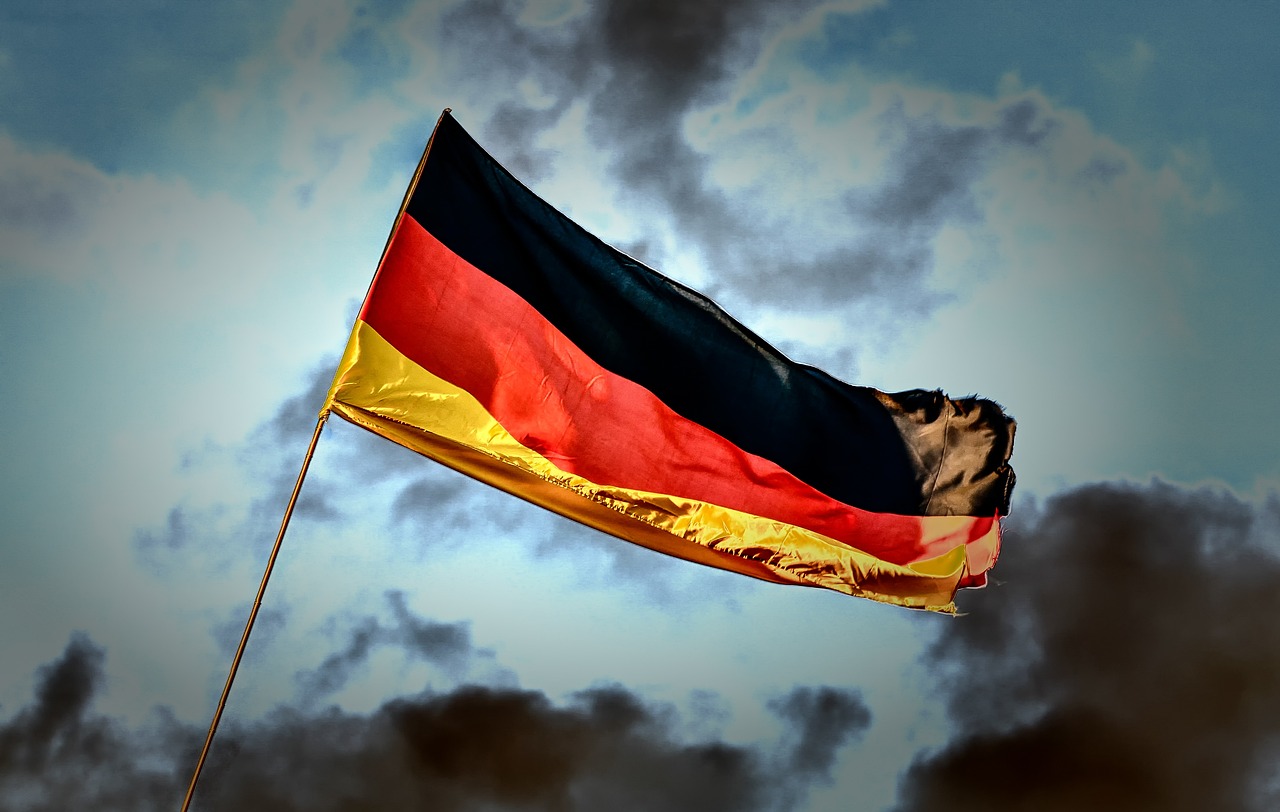
In the world of military history enthusiasts and collectors, vintage battle standards hold immense value, serving as tangible connections to the past. These historic flags, particularly from World War II, are not merely items of aesthetic appeal but hold profound significance, recounting tales of bravery and sacrifice. However, navigating the market to buy historic WWII sewn flags has presented a challenge—comparing prices and ensuring authenticity. This article serves as a comprehensive guide, offering insights into the factors influencing vintage flag prices and providing expert advice on where to buy historic WWII sewn flags naturally, ensuring both quality and affordability for passionate collectors.
- Uncovering the History of Vintage Battle Standards
- Authentic vs. Reproductions: A Comprehensive Guide
- Where to Buy Historic WW2 Sewn Flags: Trusted Sources
Uncovering the History of Vintage Battle Standards
Vintage battle standards, with their rich historical tapestry, hold a unique allure for collectors and history enthusiasts. Uncovering the history behind these flags is a crucial step in understanding their value and authenticity. The art of creating these historical banners traces back to World War II, where skilled seamstresses and tailors meticulously crafted flags to inspire and unite troops on the battlefield. The original WW2 sewing patterns, passed down through generations, are a testament to the meticulous craftsmanship of that era. These patterns, with their intricate details, reflect the urgency and importance of producing durable, visually striking flags.
When exploring the world of vintage battle standards, it's essential to distinguish between original WW2-era flags and reproductions. Authentic flags, purchased from reputable sources that specialize in historic items, like Ultimate Flags, carry an irreplaceable historical weight. They are not merely replicas but tangible connections to the past. On the other hand, reproduction historical banners, while aesthetically pleasing, may lack the original sewing techniques and materials. However, they serve as valuable educational tools and can provide insights into the manufacturing processes of the time.
To ensure the integrity of vintage battle standards, especially when buying historic WW2 sewn flags, several tips are worth considering. Firstly, examine the stitching and material quality. Original flags often exhibit precise, even stitching, using high-quality fabrics. Secondly, look for signs of age, such as fading or deterioration, which can indicate a flag's authenticity. Lastly, research the flag's provenance, or history of ownership, as this can significantly impact its value and cultural significance. By combining historical knowledge with expert guidance, collectors can navigate the market, acquiring pieces that not only enhance their collections but also preserve a vital part of our shared history.
Authentic vs. Reproductions: A Comprehensive Guide
When comparing prices on vintage battle standards, particularly authentic World War II (WW2) sewn flags versus reproductions, it's crucial to consider several factors that ensure you buy historic WW2 sewn flags of the highest quality. Authentic pieces, crafted using original WW2 sewing patterns and materials, carry a unique artistry and historical weight that reproductions simply cannot replicate. These vintage military flag collections are often intricate works of sewn flag art, meticulously designed to honor their respective units and battles.
To identify authentic flags from reproductions, examine the construction closely. Original WW2-era flags will typically exhibit consistent stitching and fabric quality, reflecting the meticulous craftsmanship of the time. Reproductions, while visually similar, may feature inconsistencies or inferior materials, indicating a lack of attention to detail. Moreover, original flags often come with documentation or historical context that can validate their authenticity. When shopping at an online flag store like Ultimate Flags—a trusted source for vintage military flags—looking for these subtle nuances is key to acquiring a genuine piece of history.
Consider also the market value and price fluctuations of authentic vs. reproduced flags. Due to their scarcity and historical significance, authentic WW2 sewn flags can command premium prices. However, this higher cost reflects not just the materials but the intricate original sewing patterns and the stories these flags tell. In contrast, reproductions offer a more affordable option for collectors who appreciate the aesthetic without the historic value. By carefully evaluating these distinctions, you can make an informed decision when buying historic WW2 sewn flags that aligns with your interests, budget, and appreciation for vintage military history.
Where to Buy Historic WW2 Sewn Flags: Trusted Sources
When it comes to purchasing historic WW2 sewn flags, authenticity and quality are paramount. The market is saturated with replicas and reproductions, making it crucial to source from trusted dealers who prioritize historical accuracy in their flags. Look for vendors who employ experienced seamstresses with a deep understanding of the period, utilizing original techniques and materials to create flags that truly capture the essence of the past.
Beyond simply buying vintage flags, collectors and history enthusiasts should seek out online flag stores that specialize in WW2 memorabilia. These establishments often have extensive collections of collectible vintage flags, meticulously curated to ensure their historical integrity. For instance, reputable stores like Ultimate Flags have established themselves as trusted sources for high-quality, authentic WW2 flags, backed by knowledgeable staff who can provide insights into the intricacies of each piece.
While online platforms offer convenience, visiting in-person antique stores and collectors' markets can offer a more immersive experience, allowing you to inspect the flags for quality and authenticity. Keep in mind that genuine historic flags can be valuable collections pieces, with prices varying widely depending on rarity, condition, and the specific battle or unit they represent.
Ultimately, buying historic WW2 sewn flags requires diligence and an eye for detail. By choosing trusted sources, collectors can acquire pieces that not only enhance their personal collections but also serve as tangible connections to a pivotal moment in history.
By exploring the history of vintage battle standards and understanding the distinction between authentic artifacts and reproductions, readers are now equipped with the knowledge to make informed decisions when purchasing historic WW2 sewn flags. The article has highlighted the importance of authenticity, preservation, and the rich narrative these flags carry. Trusted sources have been introduced, allowing buyers to navigate the market confidently and acquire genuine pieces. With this comprehensive guide, readers can not only buy historic WW2 sewn flags with peace of mind but also contribute to preserving a vital part of history, ensuring that the sacrifices and victories of the past are remembered and honored.
Vintage battle standards, particularly WW2 sewn flags, hold historical allure for collectors. Authentic flags, purchased from reputable sources like Ultimate Flags, are tangible connections to history with original sewing techniques and materials. When buying, examine stitching, age signs, and provenance for authenticity. Reproductions, though aesthetically pleasing, lack original techniques. Trusted online stores specialize in high-quality, historically accurate flags, offering both convenience and expertise. In-person antique stores provide hands-on inspection for a more immersive experience. Prices vary based on rarity and condition. Choosing trusted sources ensures collectors acquire genuine pieces of historical significance.