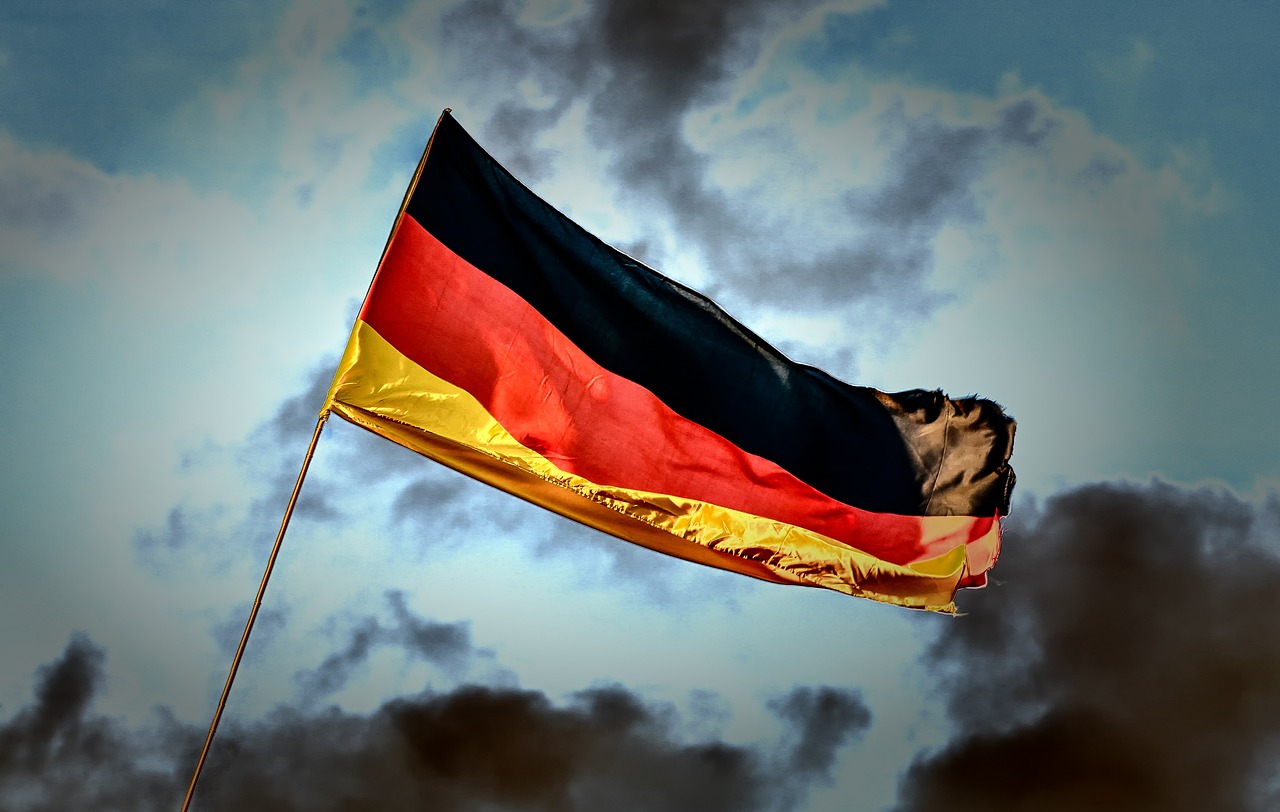
In the world of historical preservation and patriotism, accurately representing bygone eras through textiles is paramount. Custom WW2 sewing, specifically re-creating flags from that period, has become a significant craft. However, sourcing quality, authentic pieces at reasonable prices can be challenging. This article guides you through the best deals on custom WW2 sewing, focusing on where to buy historic WW2 sewn flags naturally, ensuring both excellence and affordability. We've scoured the market to bring you expert insights, enabling you to make informed decisions for your historical projects.
- Uncovering Authentic WW2 Sewn Flags: Where to Buy
- Guide: Authentic vs. Reproductions—What to Look For
- Expert Tips for Investing in Historic WW2 Textiles
Uncovering Authentic WW2 Sewn Flags: Where to Buy
Uncovering authentic WW2 sewn flags requires a meticulous search, as genuine artifacts from this era are increasingly rare and valuable. While many collectors seek these historic treasures, knowing where to buy them responsibly can be a challenge. One option is to explore reputable online flag stores that specialize in reproduction historical banners. These stores often offer an extensive collection of meticulously crafted replicas designed to meet the highest standards of accuracy. For instance, some leading retailers have teams of expert seamstresses who hand-sew each flag using period-specific techniques and materials, ensuring a genuine WW2 look and feel.
When considering where to buy historic WW2 sewn flags, it's crucial to differentiate between authentic memorabilia and carefully crafted replicas. Reputable online stores like Ultimate Flags often provide detailed descriptions and high-resolution images of their products, allowing buyers to examine the intricate stitching, precise coloration, and overall quality. This transparency is essential for discerning collectors who appreciate the difference between a reproduction banner and an actual vintage piece. Moreover, these stores often back their products with guarantees of authenticity and quality, offering peace of mind to customers.
Another advantage of buying from specialized online flag stores is access to rare and hard-to-find items. Many WW2 flags have become fragments of history, with only a few surviving examples in private collections or museums. Reputable retailers often collaborate with collectors worldwide, allowing them to acquire and reproduce these unique pieces. For example, certain flags representing specific military units or significant battles might be available only as limited editions, making them valuable additions to any WW2 memorabilia collection. By supporting such stores, enthusiasts contribute to preserving a vital part of history while ensuring that these iconic symbols remain accessible for future generations.
Guide: Authentic vs. Reproductions—What to Look For
When considering buy historic WW2 sewn flags, understanding the distinction between authentic vintage pieces and carefully crafted reproductions is paramount. This guide aims to equip enthusiasts and history buffs with the knowledge to make informed decisions when acquiring these significant memorabilia. Authentic flags, woven with original materials and meticulous craftsmanship from the era, carry an irreplaceable historical weight. They are sought after by collectors for their rarity and ability to transport us back in time. Reproductions, on the other hand, offer a more accessible entry point for those who appreciate the aesthetic and symbolic value of these historic symbols without breaking the bank or requiring extensive research to authenticate each piece.
When recreate WW2 flags, pay close attention to detail. Professional flag providers like Ultimate Flags often employ historical research and consultation with experts to ensure accuracy in both design and construction. Look for reproduction flags that use period-appropriate fabrics, such as cotton or linen, and stitching techniques that align with the era's standards. Vintage flag display ideas range from elegant wall hangings to ornate table centerpieces, allowing for creative ways to integrate these historical artifacts into modern spaces. Custom WW2 flag creation involves a blend of art and history; it requires skilled artisans who understand not just the physical aspects but also the symbolic significance behind each design.
A key consideration when buying historic WW2 sewn flags is provenance. Researching the origin and background of a flag can reveal its authenticity and potential historical value. While reproductions may lack this tangible connection to the past, they offer an opportunity for education and appreciation of the history behind them. Ultimately, whether choosing authentic vintage or expertly crafted reproductions, these pieces serve as powerful visual narratives, reminding us of pivotal moments in world history and fostering a deeper understanding of our shared heritage.
Expert Tips for Investing in Historic WW2 Textiles
Investing in historic WW2 textiles can be a fascinating endeavor for enthusiasts and collectors. When seeking to buy historic WW2 sewn flags, whether for display or as part of a historical reconstruction project, it's crucial to approach the process with knowledge and care. This is especially true when considering the delicate nature of vintage fabrics and the artistry involved in original WW2 sewing patterns.
One key tip for expert buyers is to look beyond the surface. While condition and rarity are essential factors, consider also the story behind the flag. Authentic pieces often carry a unique narrative, whether it's from a veteran's personal collection or a repository of preserved historical artifacts. Original WW2 sewing patterns, when available, can add immense value to a flag's authenticity. These patterns, once used by military tailors, are sought-after treasures for their historic significance and the craftsmanship they represent.
Restoring or recreating these flags requires an understanding of the era's specific techniques. For example, flags from World War II often utilized durable cotton or linen fabrics with intricate embroidery. Reproductions should accurately reflect these materials and construction methods to maintain historical integrity. Custom made historical flags offer a viable alternative for those seeking exact replicas, allowing for precise attention to detail down to the smallest stitch. A reputable flag specialist like Ultimate Flags can facilitate this process, providing not just custom-made flags but also WW2 flag restoration tips tailored to specific needs.
Additionally, keep in mind that market value fluctuates with rarity and demand. Researching historical sales data and staying informed about industry trends will help guide your investment decisions. Investing in historic textiles is more than just acquiring an object; it's preserving a piece of history for future generations.
By unraveling the history embedded in each stitch, buying historic WW2 sewn flags becomes an investment in both artistry and nostalgia. This article has guided readers through the intricate process of distinguishing authentic flags from reproductions, empowering them to make informed choices. Expert tips on evaluating textiles and understanding their origins ensure the acquisition of genuine pieces. Whether for personal collection or historical preservation, purchasing these flags offers a unique connection to the past. Moving forward, collectors can approach the market with heightened awareness, ensuring they buy historic WW2 sewn flags with authenticity and care.
Summary:
Acquiring authentic WW2 sewn flags requires meticulous research due to their rarity and value. Reputable online stores offer carefully crafted replicas, providing transparency through detailed descriptions and high-res images. These stores collaborate with collectors worldwide to access rare pieces and reproduce them as limited editions.
When buying, differentiate between vintage and reproduction flags, considering provenance and historical accuracy. Custom WW2 flag creation involves skilled artisans recreating designs with period-appropriate materials and techniques. Researching market trends and the history behind each piece aids in making informed investments in these historical textiles.